 Photo: Kindel Media / Pexels
The Point Where You Call Someone
Some repairs reach a boundary that isn't skill-based — it's jurisdictional. Knowing where that line sits saves time and, occasionally, a building.
What changes at the next screw
Most disassembly is just mechanical patience: the right driver, the right sequence, and willingness to look up what you can't remember. That description holds until it doesn't.
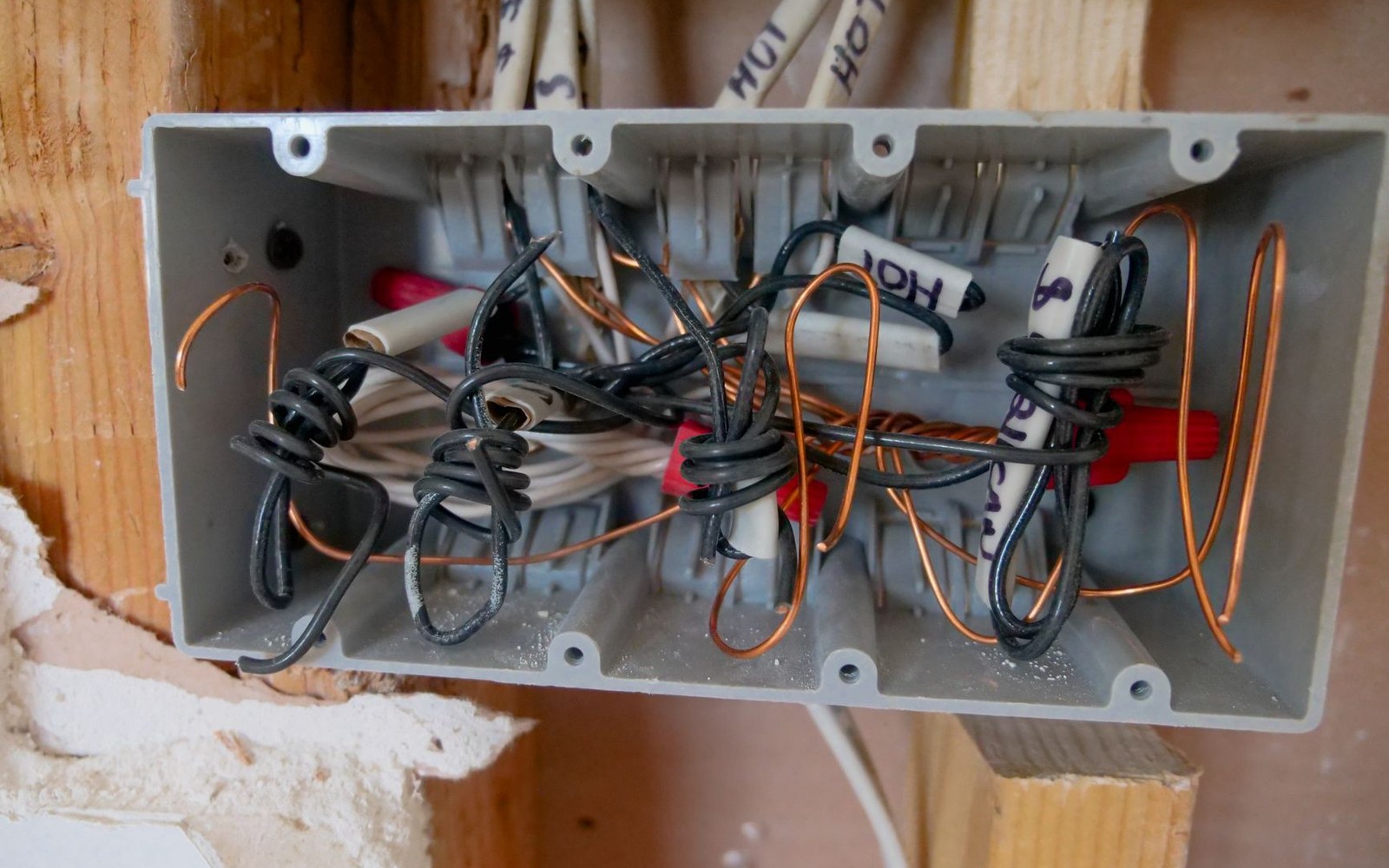
Three categories reliably mark the boundary. Mains wiring — anything terminating at a junction box, consumer unit or fixed socket — sits behind regulations that exist in most jurisdictions precisely because fault current doesn't announce itself. The cable looks identical whether it's live or not, and isolation is not always what it appears to be. The second category is gas: pipework, valve seats, burner manifolds. The third is structural load — joists, lintels, load-bearing walls — where the consequences of error distribute slowly, invisibly, and then all at once.
None of this is a caution about competence. The relevant constraint is legal liability and insurance: work carried out on these systems without the appropriate certification can void building insurance, trigger liability on a property sale, and in some countries constitute a criminal offence. A repairer who knows exactly what they're doing still has no business completing certain connections, because the certificate that accompanies the work is as important as the work itself.
ON THE BENCH · WHAT CROSSES THE LINE
ON THE BENCH · WHY THE CERTIFICATE MATTERS
What the handover actually involves
When a repair reaches one of these points, the job doesn't stop — it pauses and changes hands. What a confident DIY repairer has done to get there often has real value: a washing machine already pulled out, stripped to its motor, bearing replaced, and re-assembled to the point where only the final wiring connection remains, is a job that takes an electrician minutes rather than an hour. Knowing the stopping point means working up to it cleanly.
The practical move is to locate the boundary before opening the device, not after. If the failure is in a component downstream of the mains input — a motor winding, a pump, a PCB — disassembly and repair may be entirely within reach. If the fault sits at the input terminal block, or involves the earthing circuit, finding an independent repairer with the right certification is the first call, not the last resort.
Gas appliances narrow faster: internal components like igniters and thermocouples sit in a grey zone that varies by jurisdiction; anything involving the gas circuit itself does not. Check your local rules rather than assuming.
The line isn't a wall. It's a handoff point. Knowing where it falls — before you're standing in front of it with the casing already off — is itself a repair skill.