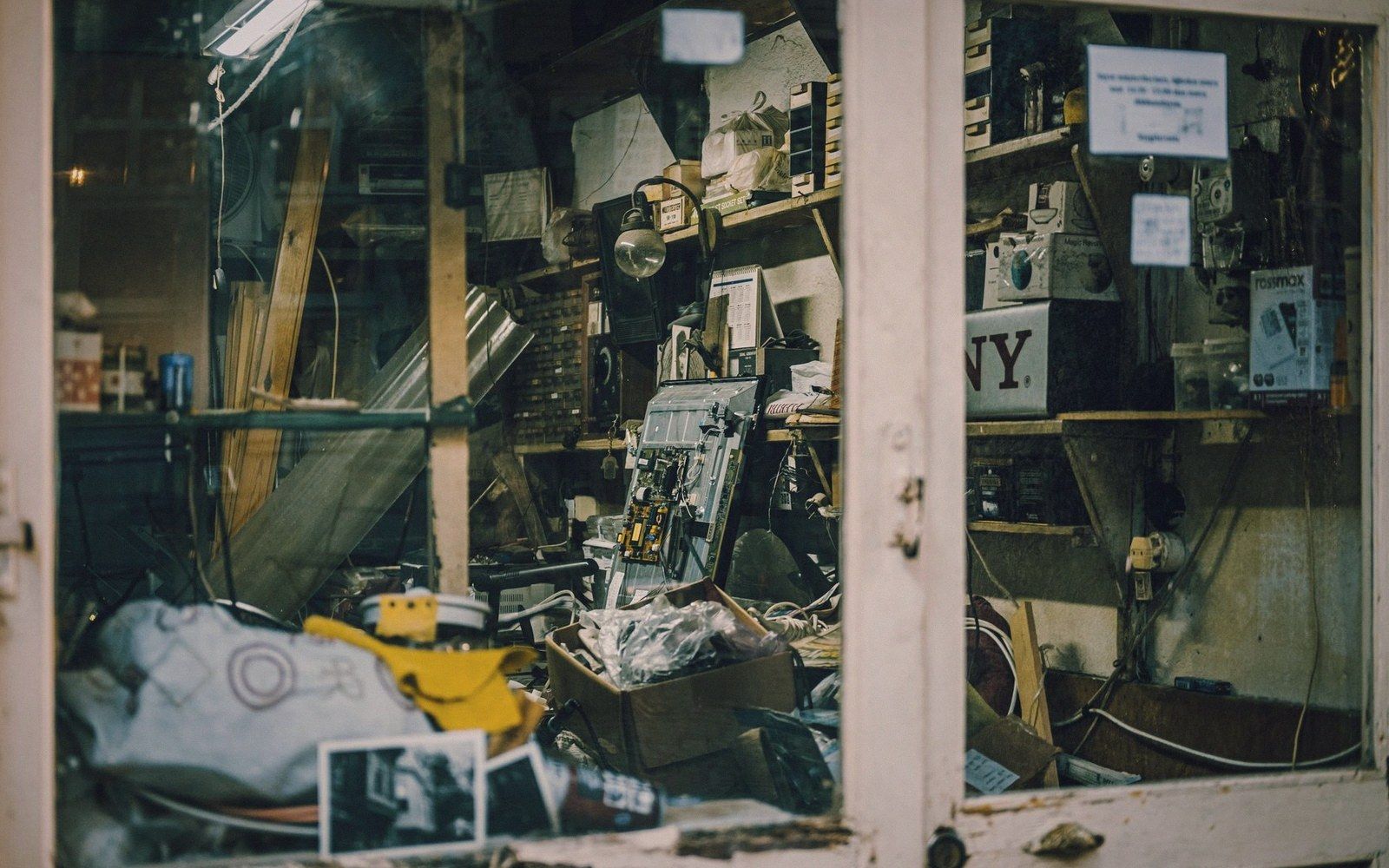
 Photo: süleyman söğütdelen / Pexels
How to Find Someone Who Will Actually Fix It
Finding the right repairer isn't complicated — it's just not obvious
Independent repairers are not evenly distributed, and the good ones rarely advertise. The categories with the healthiest ecosystems are bikes, clothing alterations, and older domestic appliances. Consumer electronics sit at the harder end: fewer independent shops survive, and parts availability varies wildly by brand and model.
Start with the object category, not a general search. "Repair shop near me" returns aggregators and franchise chains. "Sewing machine repair" or "washing machine engineer" plus your town returns actual people. For bikes, the independent local shop is usually the most competent option — even small ones handle bottom brackets, wheels and drivetrain work daily. For clothing, a dry-cleaner with an alteration service is rarely the same skill level as a dedicated seamstress or tailor; ask specifically whether they do structural repairs, not just hemming.
What to look for before you call
A repairer worth trusting tends to have a few things in common: a fixed premises, a waiting list, and a willingness to tell you the repair isn't worth it. Walk-in estimates are a good sign. A shop that commits to a price without seeing the object is not.
For white goods, look for an independent who specifies the brands they work on. A technician who services a narrow range of machines knows those machines well. Ask whether they source OEM or aftermarket parts — both are legitimate, but the answer tells you whether they've thought about it. Ask too whether a part needs ordering before the diagnosis visit, or whether they carry common spares; the latter saves a return call.
Electronics repairers are worth vetting online before visiting. Search the business name alongside the model of your device. Forum posts and local Facebook groups surface reputations that Google reviews don't capture. Repairers who contribute to forums — even briefly — are usually genuinely engaged with the work. Avoid any shop that quotes a flat rate for "diagnosis" without explaining what that covers; a legitimate diagnostic fee is reasonable, but it should be deducted from the repair cost if you proceed.
For clothing, the test is straightforward: bring a small, visible repair first. A seamstress who handles it neatly and charges honestly for the time will handle the larger job the same way.
ON THE BENCH · WHAT TO ASK BEFORE AGREEING TO A REPAIR
Reading a quote before you agree
A quote should contain three things: the fault as diagnosed, the parts required by name or number, and the labour cost separated from the parts cost. If any of those are missing, ask for them. A repairer who won't itemise is not necessarily dishonest, but you have no basis for comparison and no recourse if the bill looks different afterwards.
Ask what happens if the repair reveals a secondary fault — a washing machine drum bearing that turns out to sit behind a seized bolt, for instance. A flat-rate quote with no contingency clause is optimistic; a repairer who acknowledges the possibility is giving you an honest picture.
If a quote feels high, ask whether the labour rate includes sourcing. Parts from a specialist distributor cost more than parts from a generic wholesaler; that's reasonable. Parts marked up beyond the distributor price without explanation are worth questioning.
The clearest signal that commissioning a professional repairer is the right call: the repairer describes exactly what failed and why, quotes the fix, and lets you decide. That transparency is what you're looking for, whatever the category.